
Pope Leo XIV soon in Africa: Interview with the Apostolic Nuncio in Cameroon and Equatorial Guinea
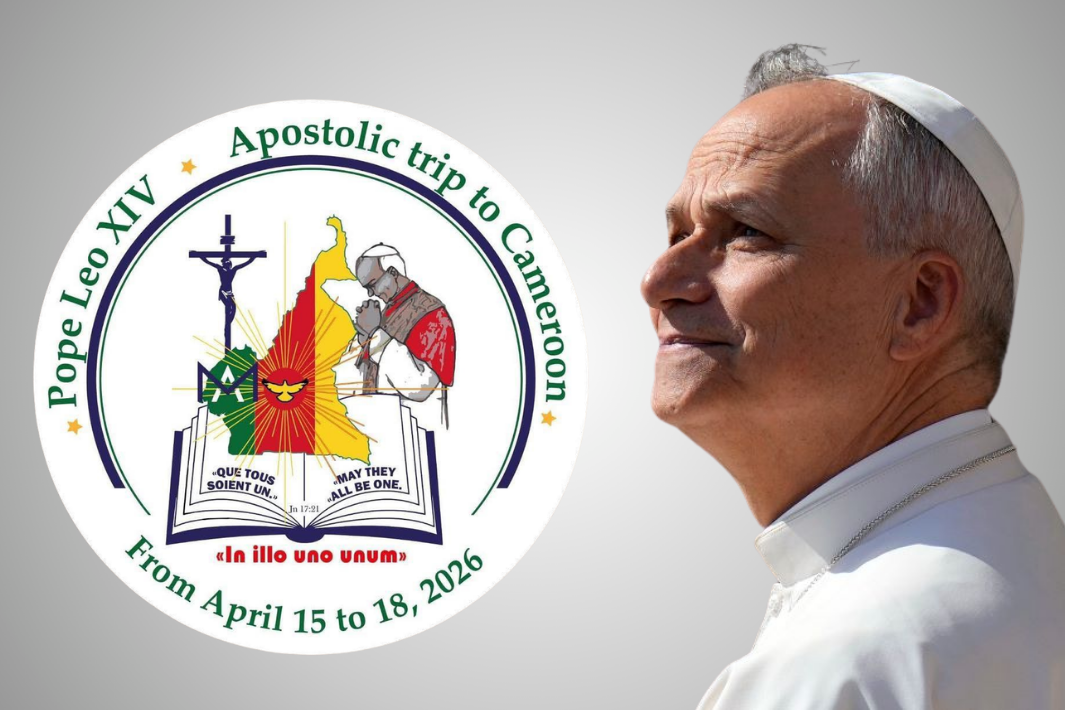
The Apostolic Nuncio to Cameroon and Equatorial Guinea, Archbishop José Avelino Bettencourt explains the importance and significance of the pope's visit to the two countries.
"The announcement of Pope Leo XIV's apostolic journey to Africa has been met with joy and gratitude, regarded as a special blessing during the Lenten season," states Apostolic Nuncio. "The Episcopal Conference of Equatorial Guinea has issued a pastoral letter suggesting a spiritual path, including prayers for the Holy Father. Similarly, the Episcopal Conference of Cameroon is preparing the faithful to experience the liturgical season by contextualizing the journey. The enthusiasm is palpable, with preparations underway to warmly welcome the Holy Father to Africa."

Pope Leo, a son of Africa
Elected pontiff on May 8, less than a year after his election, Pope Leo XIV is set to visit the African continent. The Apostolic Nuncio in Yaoundé and Malabo, emphasized the significance of this papal visit on multiple levels. From a spiritual standpoint, the nuncio remarked that Pope Leo XIV identifies himself as a son of Africa, in relation to "St. Augustine, a key father of the Church who was born in Africa," thereby underscoring the vibrant Catholic faith that exists on the continent.
On an ecclesiastical level, the nuncio described "the expansion of the Church in Cameroon and Equatorial Guinea, noting the increase in dioceses, the presence of various religious orders, and the establishment of Catholic universities. The Church is actively engaged in communities through schools, hospitals, and social centers, reflecting its dedication to serving the peoples."
From a diplomatic perspective, the nuncio pointed out "the tenth anniversary of the Framework Agreement between the Holy See and Cameroon, as well as the sixtieth anniversary of official diplomatic relations in 2026. These milestones illustrate the strengthening of ties and the Holy Father's connection with the faithful in Africa, highlighting the multifaceted significance of this apostolic journey.
Regarding the characteristics of the Churches of Equatorial Guinea and Cameroon, in his role as apostolic nuncio, the Apostolic Nuncio expresses “admiration for the active participation of the faithful in the African Church,” recalling its “unique history, marked by various colonial influences and the crucial role of catechists during periods of priestly absence.” In Equatorial Guinea, a lay person spread the prayer of the Holy Rosary learned from a missionary, which led to the founding of missions and the spread of the Gospel.
The trip to Cameroon and Equatorial Guinea, part of a wider itinerary, will also take the Pope to Algeria and Angola. Archbishop José Avelino Bettencourt explains the link between these countries: "Pope Leo XIV's apostolic journey to Africa is of great importance, as it recalls the flight of the Baby Jesus to Egypt, highlighting Africa's historical role in Christianity. The continent has produced prominent figures in the faith, such as the first sub-Saharan bishop of the Kingdom of Congo in the early 15th century and its first ambassador to Rome. Christianity has had a profound impact on African culture and traditions, and the Holy Father's trip highlights the epic nature of the Church's mission in Africa."
Message of peace, youth, and hope
Regarding the Pope's program in Cameroon and Equatorial Guinea, the nuncio said: "The Holy Father will arrive in the capital Yaoundé, where he will meet with the head of state and local authorities. His itinerary includes a visit to Bamenda, in the separatist English-speaking northwestern region, which is rarely visited due to security concerns. The importance of this region is highlighted by previous visits by Cardinal Pietro Parolin and others, including my predecessors. I myself have visited the region eight times in the last two years."
The Holy Father's message of peace, first expressed from the balcony of St. Peter's, will resonate in a special way in Bamenda, symbolizing his commitment to peace in the region and throughout Africa. In Douala, the Pope will meet with young people, “highlighting the young demographics of Cameroon, where the average age is 18. The trip will conclude with a liturgical celebration in Yaoundé, which is expected to attract many Catholic faithful, along with people from various religious traditions and social sectors.”
In Equatorial Guinea, the Holy Father will arrive in Malabo, located on the island of Bioko, where he will meet with government officials. He plans to travel to Mongomo, home to Africa's second-largest church, the Basilica of the Immaculate Conception, which is an important pilgrimage destination in the heart of the lush equatorial rainforest. He will then head to Bata, the country's largest economic city, to meet with young people.
As for the topics that may be discussed, the nuncio states that: "Africa is a continent with many beautiful things and its own challenges, just like every other continent in the world. As in Europe, the issue of peace is central; as in the Americas, it is social justice, and in Asia, the issue of human dignity. From Africa, the Holy Father will speak to the world. In Cameroon, he will speak in English and French; in Equatorial Guinea, he will speak in Spanish; and in Angola, he will speak in Portuguese. Above all, however, he will speak the language of the Gospel to the faithful of the Catholic Church. It will be a celebration of the Good News of Jesus Christ, which can change minds and hearts and bring light and hope to our common future."
Liliane Mugombozi