
The Apostolic Nunciature, place and a symbol of peace and cooperation
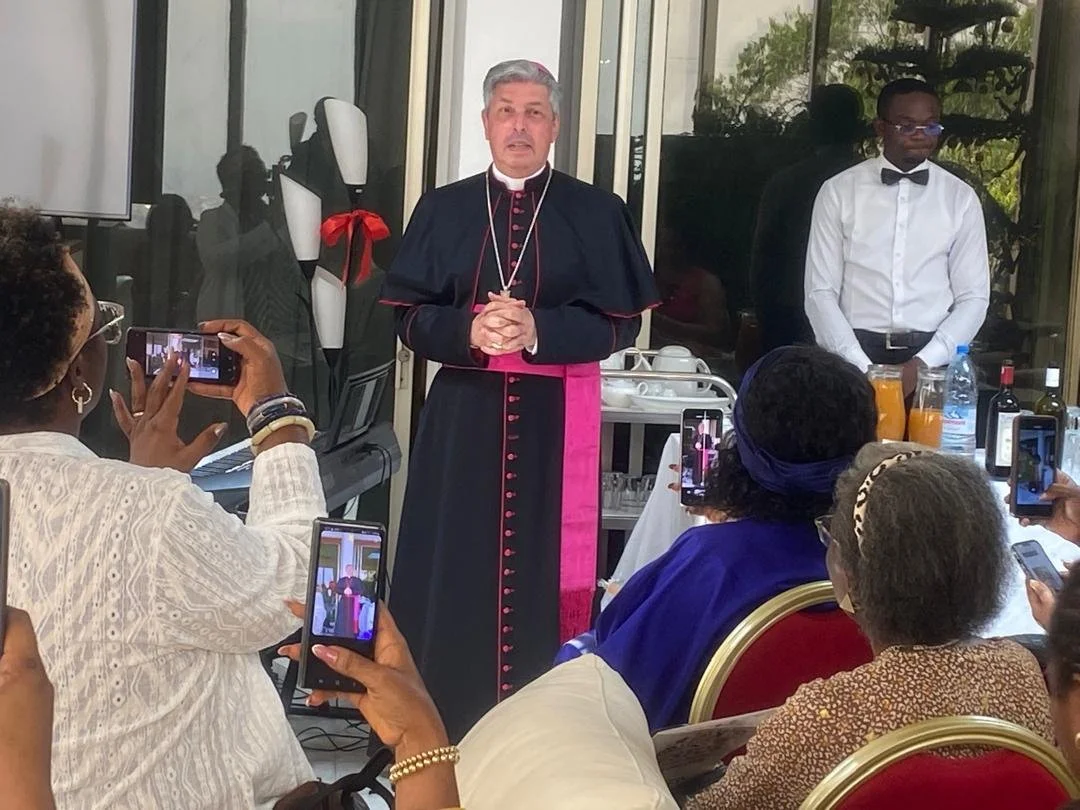
“I believe that the Nunciature which is often considered the Pope's home, has a very concrete mission. It is a meeting place, a place that connects the Church internally and with many other realities of society”. The Apostolic Nuncio to Cameroun and Equatorial Guinea, Archbishop José Avelino Bettencourt had affirmed often.
“A place where we can enable people to meet, a house that serves as a bridge between Catholics and Muslims, Protestants, and between leaders of civil society, academia, and culture”.
On Wednesday, December 17, the Apostolic Nunciature in Yaoundé once again fulfilled its role by welcoming "Les Gourmettes de Yaoundé," a platform designed for exchange and interaction among individuals from diverse backgrounds who aim to assist children and women in vulnerable situations and support charitable organizations in Cameroon. The Apostolic Nuncio expressed gratitude to the participants, thanking each one for their attendance.
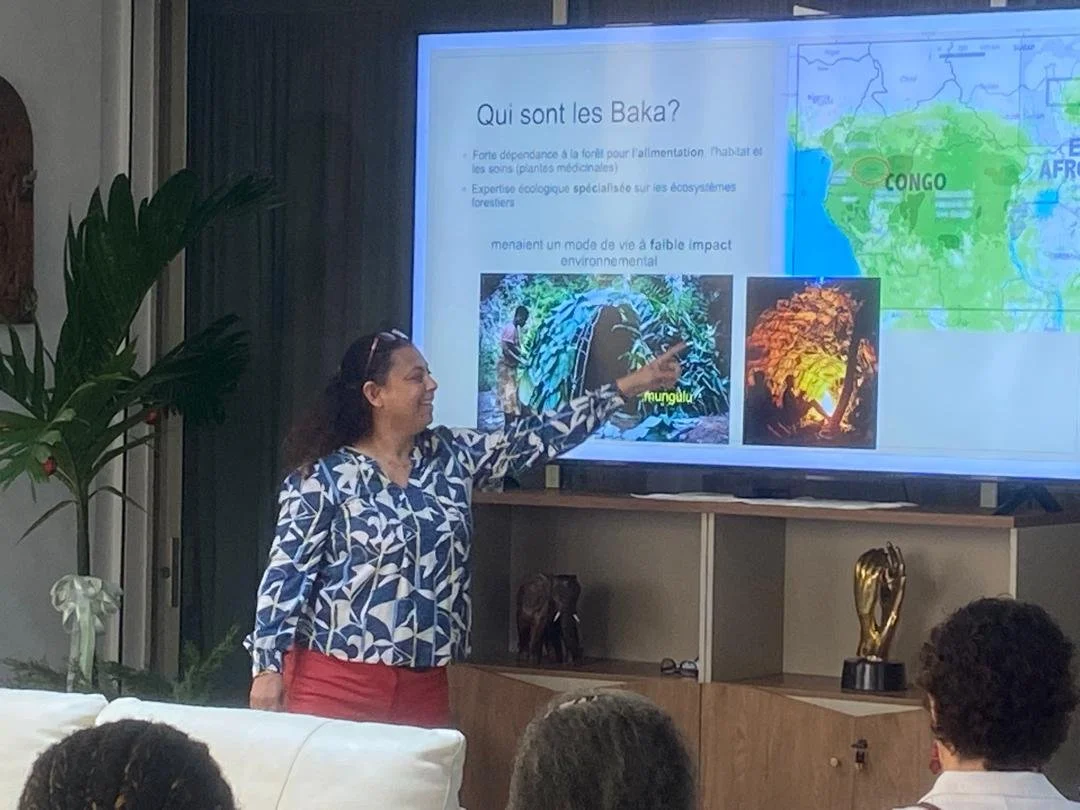
This year's edition featured a primary agenda for the platform's Christmas gathering, which included a conference on the traditional knowledge of the Baka pygmies, the indigenous peoples central to tropical forest research: the preservation of nature and the transmission of a living culture. This presentation was delivered by Dr. Ruksan BOSE, a researcher specializing in tropical forest ecology at the Congo Basin Institute (UCLA-IITA).
In the current context of environmental change, whether it be climatic or anthropogenic, the numerous challenges faced at various levels highlight the importance of understanding the issues at hand. This knowledge can facilitate actions regarding distribution and allow for the assessment of ecosystem vulnerability. These concerns are especially critical in certain sensitive regions where numerous species face the threat of extinction due to the degradation and fragmentation of their natural habitats.
Threats such as deforestation, the illegal exploitation of natural resources, and the loss of traditional habitats jeopardize not only the biodiversity of the region but also the knowledge, cultures, and time-honored ways of life of these communities. The participants agreed that, when the human person is placed at the forefront of such activities, the narrative shifts entirely.
The effects of deforestation on the Baka pygmies are profound and complex, endangering not only their traditional lifestyle but also the rich biodiversity found within tropical forests.
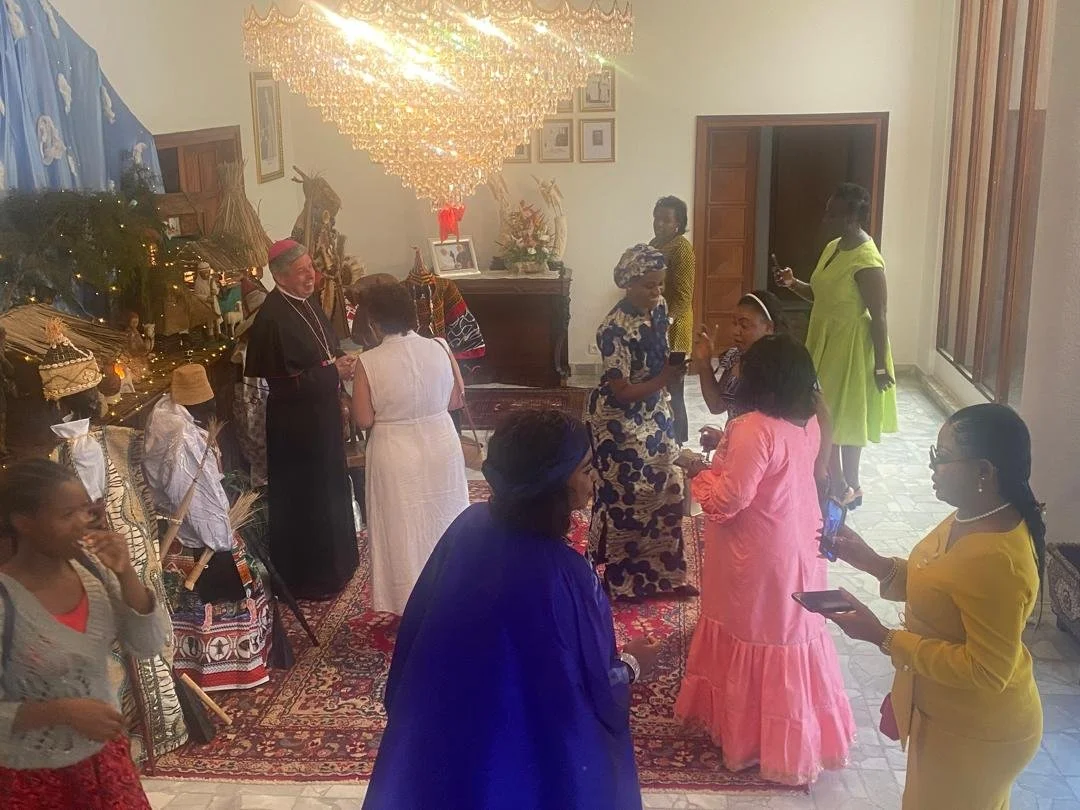
A fruitful exchange and dialogue followed Dr. Ruksan BOSE's presentation in a setting characterized by peace and collaboration, enabling participants to understand the urgent need for action to tackle these challenges at their respective levels: whether by raising awareness about the vulnerability of communities or by implementing sustainable forest management practices that honor indigenous rights and support conservation initiatives. Safeguarding forests entails preserving not just an ecosystem but also a people and their distinctive culture that has flourished for thousands of years.
The residence of the Holy Father in Yaoundé served as a "home" for the conference participants today, bringing together diverse individuals, providing them with a welcoming venue for gathering, facilitating the acquisition of extensive knowledge, profound significance, and a close familial connection.
Every participant departed with an increased awareness and sensitivity towards the communities living in vulnerable conditions at the margins of society.
Liliane Mugombozi